Bills do not wait. Rent is due on the first regardless of what happened at work last month. The utility company does not know your hours got cut. The practical problem is not finding the motivation to ask for help. It is knowing which programs exist, what they cover, and how to reach them before a late notice becomes something harder to reverse.
More resources exist for this specific situation than most people in it realize. The gap is almost always awareness, not eligibility.
Start with the bills that carry the worst consequences
A missed credit card payment hurts your credit score. A missed rent payment can end your tenancy. Those are not the same category of problem.
Rent is the first priority. An eviction on your record follows you. Future landlords see it and most decline. The programs designed to prevent homelessness are easier to access before a formal proceeding starts than after one is underway. Call 211 before the court date, not after. Most emergency rental assistance programs pay landlords directly and cover multiple months of arrears.
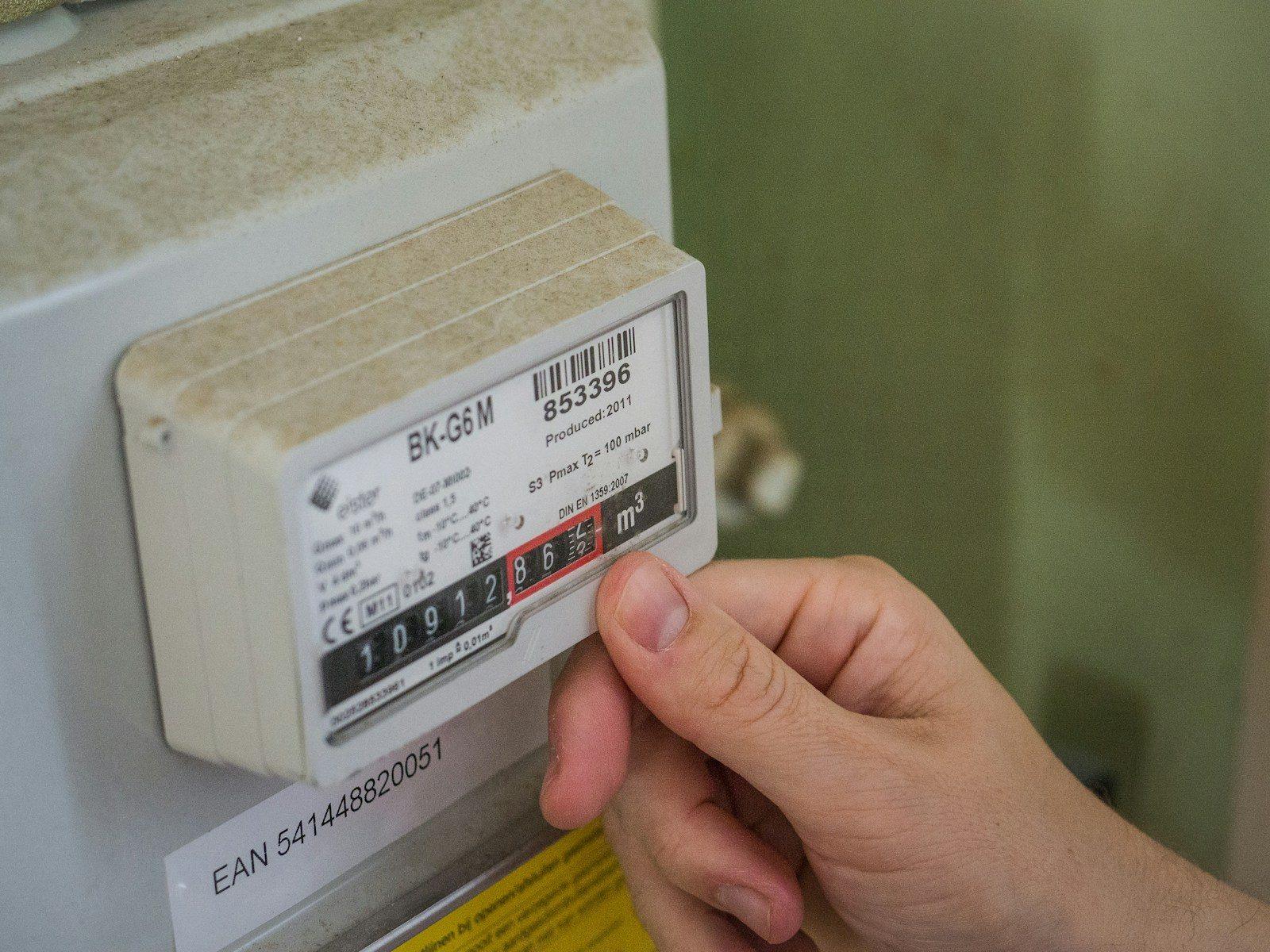
Utilities come second. A $200 past-due balance becomes a $400 problem after reconnection fees land on top of it. In some states a new deposit is required before service restores. LIHEAP covers heating and cooling costs for qualifying households. Most states have a crisis component that processes faster than the standard application when the lights are already off or a shutoff notice has arrived.
Programs that exist specifically for this situation
LIHEAP runs at the state level with benefit amounts, income limits, and application windows that differ by location. Most states set the income threshold at or below 150 percent of the federal poverty line. Applications go through state energy offices or local community action agencies. The Administration for Children and Families maintains state contact information at acf.hhs.gov.
TANF is cash assistance for low-income families with children. Some states direct TANF dollars toward housing costs including past-due rent. Others do not. Your local social services office knows what TANF covers where you live.
SNAP redirects grocery costs. A household spending $400 a month on food that qualifies for SNAP now has $400 in monthly budget space freed up for other bills. Applications go through your state’s social services or human services department.
Benefits.gov runs an eligibility screen across multiple federal programs at once. Ten minutes and it returns programs across housing, food, energy, and healthcare that match your household profile.
Nonprofits that fill the gaps
The Salvation Army runs financial assistance programs in communities across the country. What is available depends on the branch and current funding. Utility bills, rent, or food assistance may be covered. Calling the nearest branch directly is the only reliable way to find out what is active right now.
Catholic Charities offers direct payment assistance and case management in most states. Local chapters have existing relationships with utility companies and landlords. They can sometimes negotiate in ways individual households cannot.
Community action agencies are local clearing houses for multiple types of assistance. They typically administer LIHEAP at the local level, run their own emergency funds, and track which other programs in the area are accepting applications. Find yours at communityactionpartnership.com.
What actually moves applications faster
Pull documents together before making the first call. Proof of income for all household members. Recent bills. A government-issued photo ID. Proof of current address. Having those in hand before the first contact removes most of the delays.
Apply to more than one program at the same time. Rental assistance, LIHEAP, and a nonprofit emergency fund have different funding sources, different income limits, and different timelines. Applying to all three at once is not against the rules. It just improves the odds that something comes through before a deadline closes.
Call back a week after submitting. Processing delays are common. A brief follow-up confirms documents were received and keeps the case visible. If a program is out of funding, ask whether they maintain a waiting list or can point you toward another organization that still has active funds.
Leave a Reply