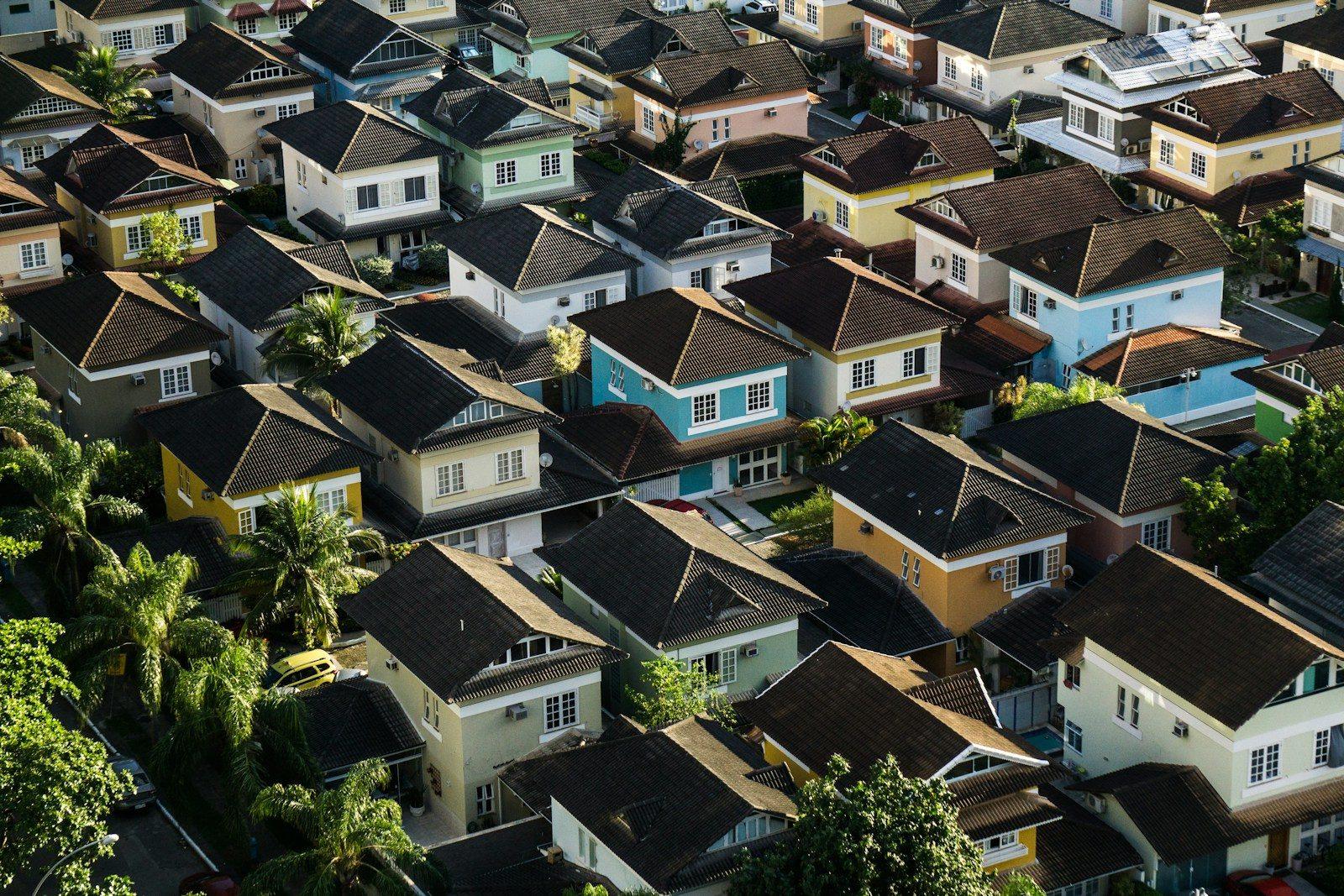
Most people hear the phrase public housing and picture a specific type of building in a specific type of neighborhood. They assume it does not apply to them and move on. That assumption cuts a lot of households off from a program that covers a wider range of situations than most people realize.
Public housing is rental housing owned and operated by local Public Housing Agencies, known as PHAs. HUD funds the program and PHAs manage it at the local level. Units rent at rates well below market value. Rent is typically set at 30 percent of the household’s adjusted gross income, which means what you pay each month moves with your financial situation rather than staying fixed at a number that made sense when you first signed a lease.
Who is eligible
PHAs determine eligibility locally, but federal guidelines set the framework. Household income has to fall at or below 80 percent of the median income for the area. In practice, most units go to households at or below 50 percent of the area median income, and a significant portion go to households at or below 30 percent. Federal law requires PHAs to prioritize the lowest-income applicants when filling vacancies.
Citizenship and immigration status both factor in. At least one household member has to be a U.S. citizen or hold eligible immigration status. Mixed-status households can apply. Only the eligible members count when the subsidy gets calculated.
Criminal history gets reviewed as part of the application. Lifetime registered sex offenders and individuals convicted of manufacturing methamphetamine in federally assisted housing are barred. Outside those hard exclusions, PHAs have discretion. How much weight a conviction carries varies from one agency to the next. Policies are not consistent across the country.
A history of eviction from public housing or significant unpaid rent with a PHA can affect eligibility. Each agency sets its own standards on those points. Asking directly what the local agency weighs during screening is worth doing before you fill out the application.
How the application process works
Applications go through the PHA that serves your area. Most have an online portal. Some still take paper applications in person or by mail. The form asks for information on every household member, current income sources, and housing history.
Once submitted, you go on a waiting list. Two to four years is common in high-demand areas. Some PHAs have lists that run longer than that. Others close their lists entirely when the backlog grows too large and only reopen for limited windows when capacity opens up.
When your name reaches the top, the PHA contacts you to verify continued eligibility and reviews your application more thoroughly. At that point you provide proof of income for all household members, government-issued identification, Social Security numbers, and documentation of your current living situation.
What to expect once you are housed
Public housing units vary by location and development age. Some are large apartment complexes. Some are townhomes or single-family properties. The PHA maintains the units and handles major repairs. That is a cost private renters carry on their own.
Annual recertification is part of the arrangement. The PHA reviews household income and composition each year and adjusts rent based on what it finds. When income rises, rent rises with it. When it falls, rent follows. That adjustment is one of the things that separates public housing from a standard lease.
Residents are expected to follow the terms of the lease. Noise, maintenance, and guest policies are all covered. A lease violation can result in eviction, and an eviction from public housing follows you when you apply for other federally assisted housing programs later.
Finding public housing in your area
The HUD Resource Locator at resources.hud.gov is the most reliable starting point. You search by address or zip code and get contact information, hours, and application portal links for agencies near you. Calling 211 connects you with a local resource specialist who knows which programs are currently accepting applications in your county.
State housing authority websites maintain their own listings and can tell you about state-funded programs that operate alongside or separately from the federal program. If you are in a rural area, the USDA runs its own rental assistance program through the Rural Development office. That one is worth looking into separately.
Public housing is not a permanent solution for every household. It is a stable foundation that gives low-income families room to get finances in order. The wait is long in most places. Starting early, keeping documentation current, and staying in contact with your local PHA are the things that move the process forward.
Leave a Reply